Table of contents
Rain has a way of rewriting a trip, and this summer’s stop-start downpours across parts of Europe have done exactly that, pushing travellers off terraces and into galleries, cafés, workshops and small, local venues they might otherwise have skipped. Yet a wet forecast does not have to mean a wasted day, especially abroad, where indoor culture can be as revealing as any skyline. The trick is to stay spontaneous without drifting into generic “things to do”, and to build a plan around what a rainy day does best: slow you down and sharpen your attention.
When rain hits, rethink the whole day
Rain changes more than your shoes; it changes the pace of a city, and the smartest response is to treat it as a different itinerary rather than an obstacle. Start with the basic arithmetic of your day: what is time-sensitive, what is weather-sensitive, and what is simply “nice to have”. Outdoor landmarks rarely disappear; museums close at set hours, performances sell out, and small attractions sometimes operate on reduced schedules. A quick check of opening times, last entries, and any timed tickets can save hours, and it is often worth shifting a “must” indoors to the front of the day, keeping cafés, covered markets and short hops between districts for later, when showers may ease.
Then build a “radius plan”. Choose one neighbourhood, ideally well served by public transport, and stack indoor options within a 10 to 15-minute walk so that you can move between them during breaks in the weather. In practical terms, that means pairing one long-form activity, such as a major museum or a thermal spa, with two shorter ones, such as a specialty bookshop, a historic passage, or a tasting session. Many European cities have reliable metro and tram networks that make this easier than tourists expect, and in older centres, arcades and covered courtyards can function like natural umbrellas. The goal is to avoid the morale-killer of crossing town in heavy rain, arriving drenched, and then discovering a queue.
Finally, make your rainy-day decisions with a simple rule: pick experiences that are hard to replicate at home. A cinema chain, a standard mall, even a global coffee brand, all deliver familiarity, and sometimes that comfort is welcome, but travel is paid for in both money and opportunity. Look for programming tied to place, like a temporary exhibition built around a local artist, a classical concert in an ornate hall, or a cooking class centred on regional ingredients. Rain compresses the city into its indoor spaces, and that is where you often see how locals spend their time, how they talk, and what they value, and those are details that rarely appear in guidebook top tens.
Museums, but not the obvious ones
Let’s be honest: “go to a museum” is the first rainy-day advice, and it can be excellent, but only if you approach it strategically. Big-name institutions draw crowds when the weather turns, with ticket lines and packed galleries that can drain the pleasure from a visit. The alternative is to think in categories rather than brands. Consider photography museums, design collections, small contemporary spaces, and city museums that explain how a place grew, who built its neighbourhoods, and what conflicts shaped it. These sites are often cheaper, calmer, and more surprising than the blockbuster galleries, and they tend to sit in buildings worth seeing in their own right.
To keep it spontaneous, avoid over-planning every hour, but do pre-load two or three options before you leave your accommodation. Many museums now publish live updates, timed-entry availability, and late opening nights, and rainy afternoons can be a good moment to take advantage of extended hours. If you are travelling with children, science centres and interactive exhibitions usually outperform formal art galleries, while for solo travellers, audio-guided visits can turn a wet day into a deeply personal walk through history. Pay attention, too, to temporary exhibitions: they are often the most “now” a city gets, reflecting anniversaries, political debates, and cultural trends, and they give you a story to bring home that isn’t the same postcard everyone posts.
And do not overlook the indoor places that behave like museums without calling themselves that. Historic libraries, old trading halls, ornate train stations, and even well-preserved department stores can deliver architecture, social history and atmosphere, all under a roof. The best way to find them is to scan local listings, search for heritage protections, or simply ask a receptionist where locals take visitors when it rains. That last option sounds basic, but it works, because it taps into a city’s own pride: people will point you to the building, the hall, the café, or the quiet corridor that they think represents them, and it often costs little or nothing.
Food, craft and warmth: indoors wins
Here is the underrated truth of rainy travel: bad weather makes you hungry, and a good indoor plan can turn that hunger into a cultural experience rather than an emergency meal. Start with markets. Covered food halls and indoor markets are ideal on wet days because they are flexible, you can graze without committing to a long booking, and they showcase local produce in a way restaurants cannot. You learn what a city actually eats, not just what it sells to visitors, and you can calibrate your day in real time: a coffee now, a pastry later, a hearty dish when the temperature drops, and a final snack before heading back out.
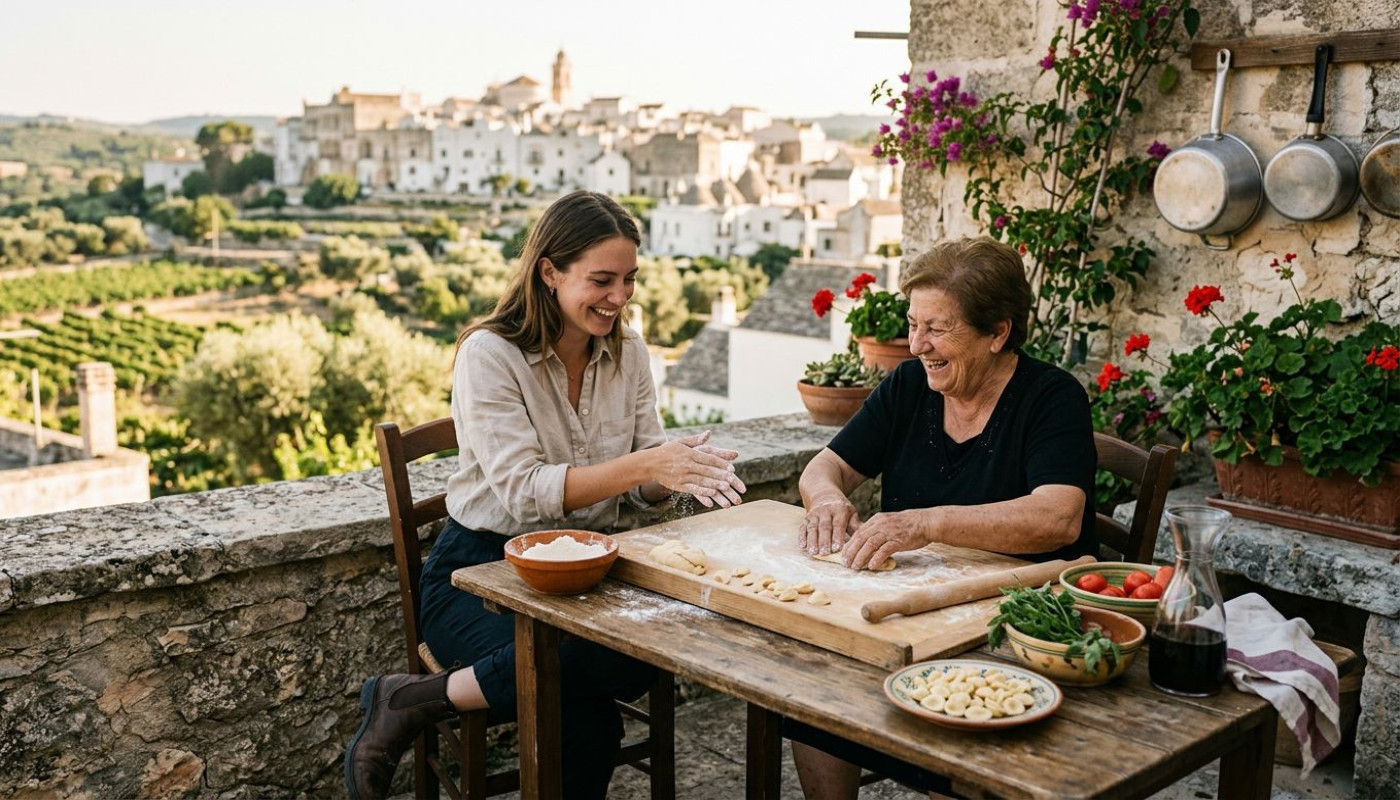
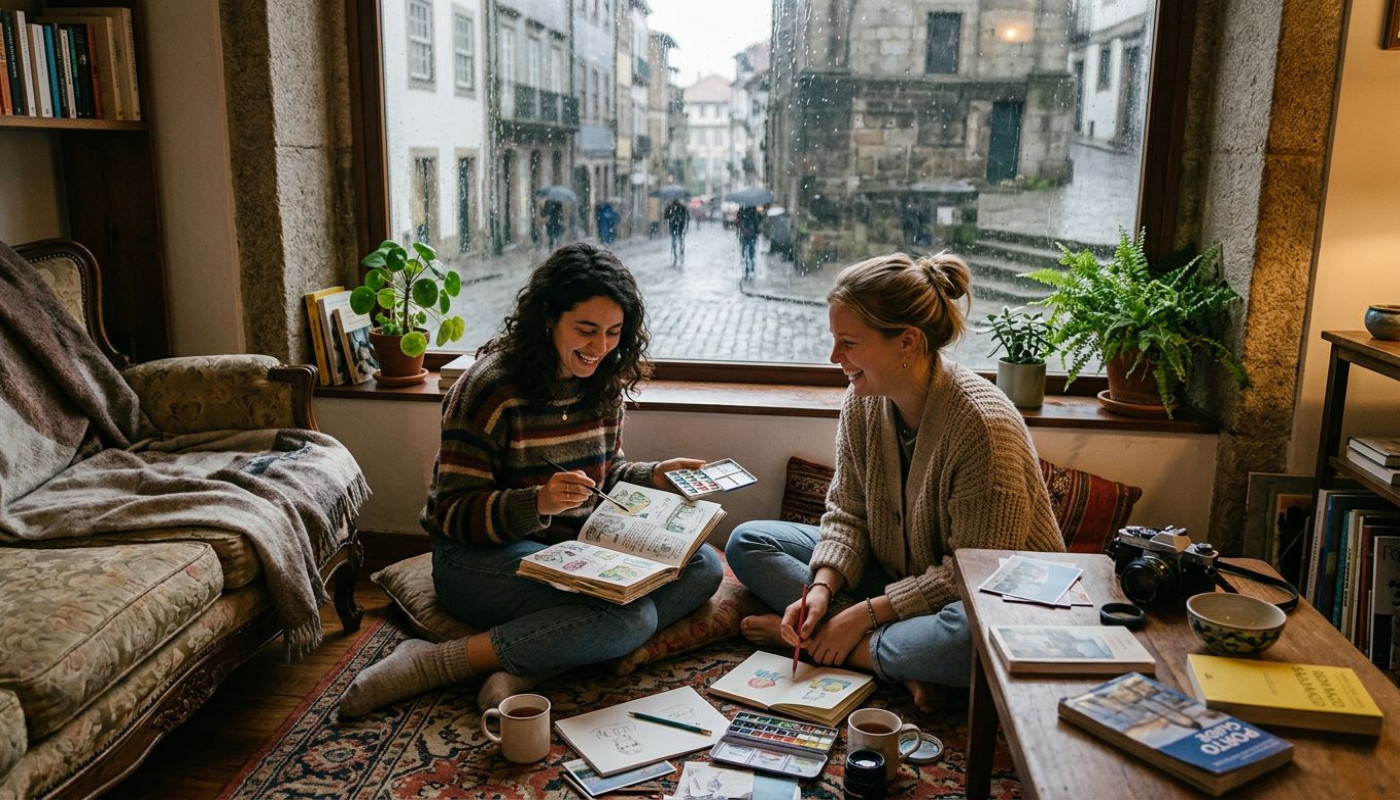
Beyond markets, rainy days are made for workshops. Short classes, from baking and dumpling-making to cocktail or coffee tastings, provide two key benefits: they keep you dry for a fixed block of time, and they produce a tangible memory, a skill you can repeat at home. Craft workshops, whether ceramics, printmaking, or jewellery, often run in small groups and can feel like a window into local creative economies. They also suit mixed groups, because conversation fills the gaps that rain would otherwise leave, and even a shy traveller tends to open up when their hands are busy.
Warmth matters, too, and not just in a physical sense. A rainy day is a chance to embrace the “third places” of a city: cafés where people linger, tea rooms, wine bars, and small bakeries with a few tables. Choose places that invite time rather than turnover, and you will notice details, the newspapers on a rack, the regulars who greet staff by name, the playlists, the way people dress when they do not expect to be photographed. If you want a reliable structure, plan a two-stop crawl, one place for something hot and sweet, another for something savoury, and treat the walk between them as your weather window. It is a simple rhythm, and it turns the day into a sequence rather than a blur.
Make the city work for you
Spontaneity does not mean improvising from scratch. It means arriving with tools that let you pivot quickly, and the most useful tool is local transport knowledge. On rainy days, tourists who try to “walk it off” often end up exhausted, soaked, and oddly far from where they meant to be. A day pass, a stored-value card, or a clear understanding of which lines connect the centre to key districts can change everything, and it also frees you to choose an indoor activity based on interest rather than proximity. Add one more layer: identify sheltered connectors, underground passages, arcades, and major stations, because these nodes let you move without losing half an hour to the elements.
Accommodation can play a role, but not in the way people think. A rainy day is not a command to stay in; it is a prompt to use your base intelligently. Drop off wet clothes, switch shoes, recharge a power bank, then go back out with a tighter plan. If you are visiting a city with a strong indoor tourism ecosystem, you can also use local organisers to stitch together tickets, transfers and ideas quickly, especially if you want to avoid common pitfalls like sold-out time slots. For travellers mapping options in Prague, for instance, resources such as www.prague-trip.com can help translate a grey forecast into a workable sequence of indoor experiences, and keep you focused on what is realistically accessible within the time you have.
Finally, protect the evening. Rainy afternoons can feel like they “steal” the day, which is why a strong indoor night plan restores momentum. Book a performance, choose a restaurant with atmosphere, or find a venue where locals actually go, not just the places that rely on tourist turnover. In many European cities, classical music, jazz, small theatre productions and cinema screenings offer last-minute seats, and the cost can be lower than a typical tourist attraction while delivering a far deeper sense of place. The weather may not cooperate, but you can still end the day with something that feels intentional, and that is what turns a disrupted trip into a memorable one.
A simple rainy-day game plan
Reserve one anchor activity, and keep two backups. Expect to spend more on transport and indoor tickets, and less on long outdoor walks. If you are travelling in peak season, book timed entries where possible, and check for city cards or discounted bundles, as they can offset museum and transit costs. When rain persists, choose neighbourhood-based plans and commit early, because the best indoor slots disappear fast.
Similar