Table of contents
Skip the obvious and you will hear a different Jeju. Behind the island’s headline sights, locals trade tips about dawn swims, low-tide crossings and backroad food stalls that rarely make it into glossy itineraries, and as visitor numbers keep rebounding, those small rituals have become a quiet form of crowd-avoidance. What do residents actually do on their days off, when they are not performing Jeju for anyone? The answers are concrete, seasonal and often tied to weather, tides and community habits rather than attractions.
Follow the tide, not the tour buses
Want Jeju to feel private again? Show up when the water says so, not when the schedule does. On an island shaped by the sea, locals often plan their “hidden” days around tide tables and wind forecasts, because those two variables dictate everything from safe crossings to the best hour for shoreline foraging.
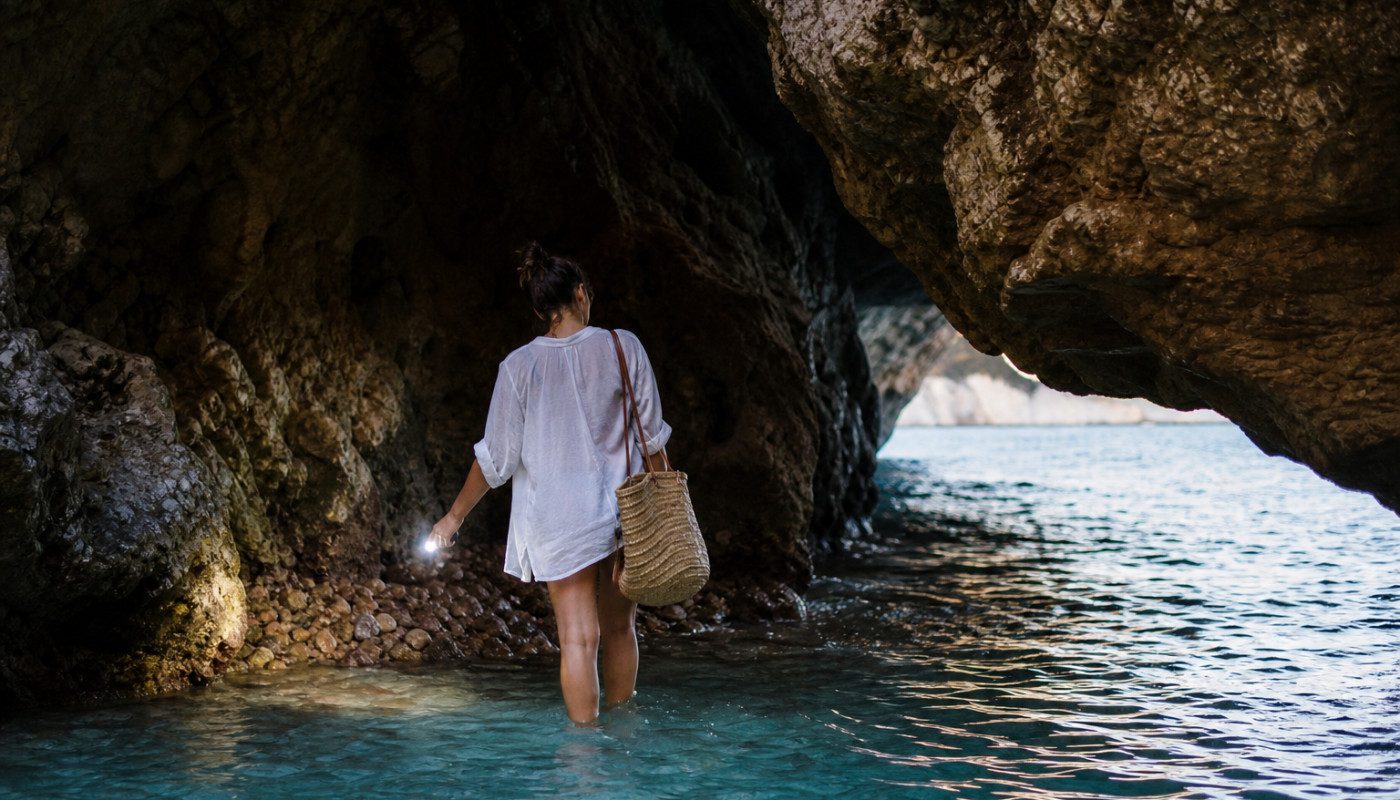
A classic example is the low-tide walkways that briefly connect points of land, creating temporary routes that are spectacular and, for anyone unprepared, risky. You will see residents waiting for the right window, then moving quickly with practical shoes and minimal gear, because the sea returns on its own timetable. Jeju’s tidal range varies through the month, and a difference of even an hour can mean the change between an easy crossing and an impassable one. Local families also time small beach visits for early morning or late afternoon, when UV levels are lower, parking is easier and the shoreline becomes a place to breathe rather than pose.
Weather matters just as much. When wind strengthens from the northwest in winter, exposed coasts can feel brutally cold, and that is precisely why some residents go anyway: the views sharpen, the air clears and the crowds thin to almost nothing. In summer, the pattern flips. Many Jeju residents avoid the midday heat and plan swimming or wading for the first calm hours after sunrise, when the water is glassy and the beaches are still quiet. The hidden activity is not “going to a beach” but learning the island’s cadence, checking conditions, and letting the sea set the pace.
For visitors trying to do this responsibly, the practical rule is simple: treat tide-dependent routes like serious outdoor activities. Bring water, keep an eye on time, and never assume a path will stay open just because it was open when you arrived. Jeju has a reputation for being easy, but the ocean does not negotiate, and locals respect that with routines that look effortless only because they are informed.
Dawn markets, then a bowl of comfort
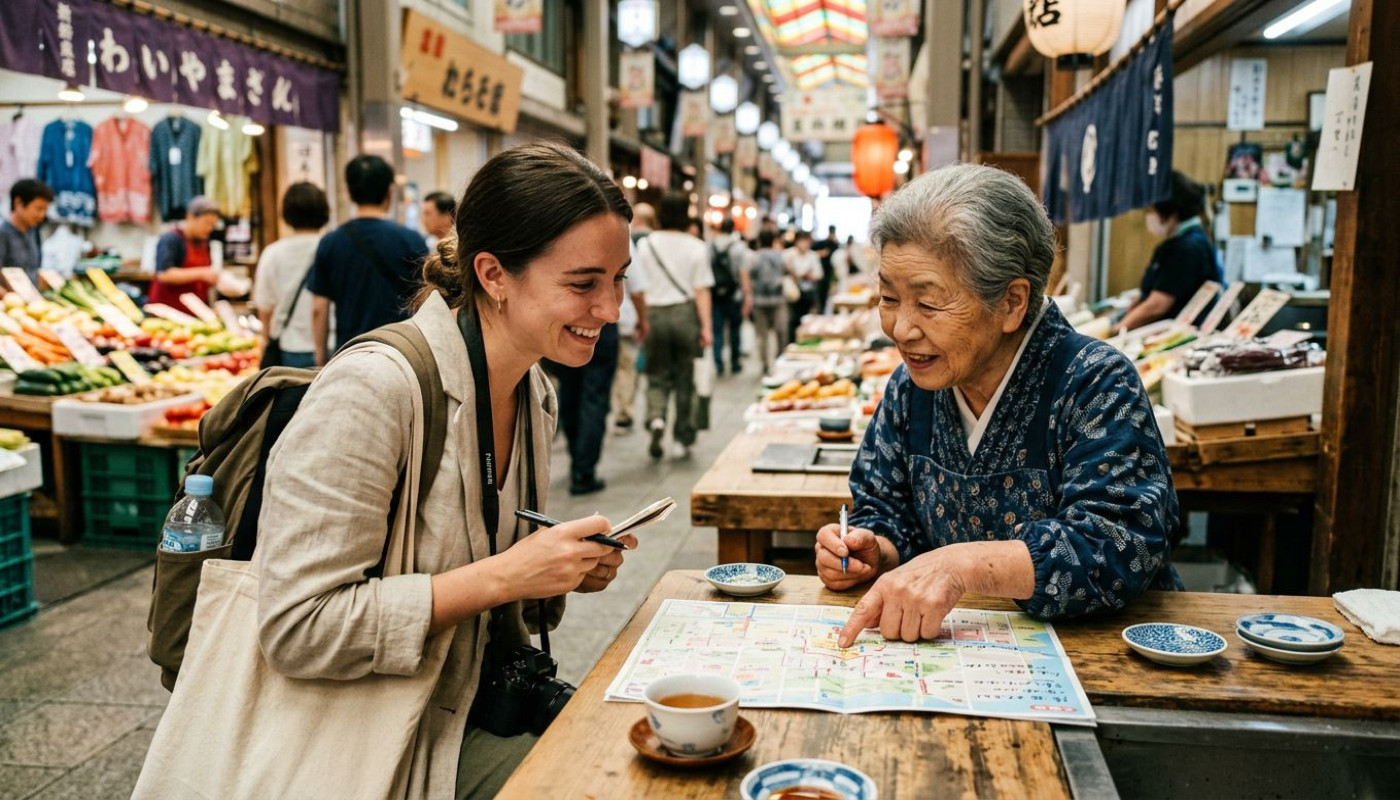
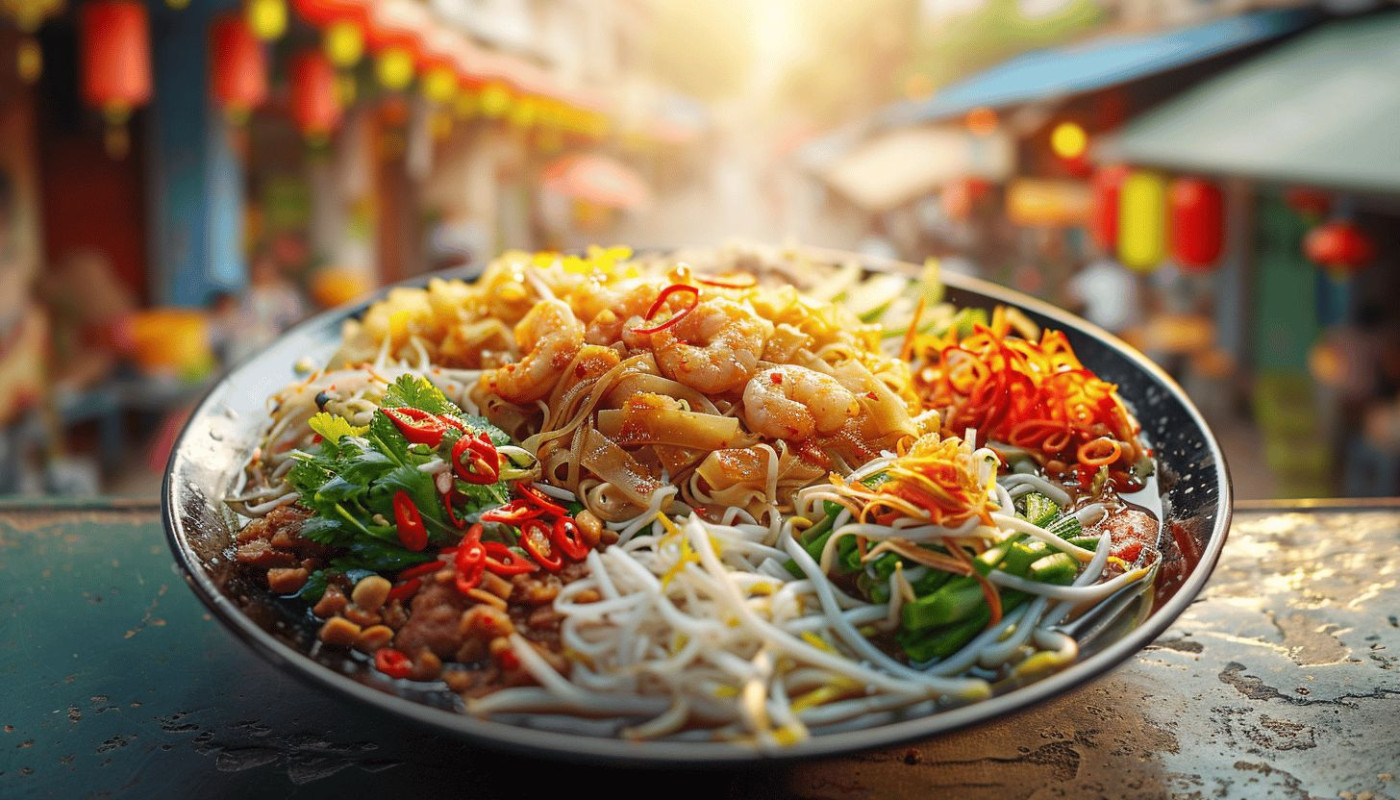
Before the island is fully awake, Jeju feels like a working place. Locals who swear by “hidden” mornings often start at traditional markets, not for souvenirs but for a quick scan of what arrived overnight, what is cheaper today, and which stallholder has the best produce, fish or side dishes.
These markets reward curiosity. You can hear sellers calling out prices, watch regulars compare fruit by smell rather than shine, and notice how quickly shopping becomes a social exchange. Residents tend to buy with a plan, not a checklist, adjusting meals to what looks freshest and what fits the weather. On rainy days, stews and broths dominate, and you will see people carrying home ingredients for something hot and uncomplicated. On bright days, lighter dishes appear, and the market becomes a staging point for picnics, short hikes or errands.
The meal that follows is often the real ritual. Locals gravitate toward small spots that serve one or two dishes well, and the comfort comes as much from consistency as from flavour. A warm bowl after a market run is not an “experience” in the tourist sense, it is an anchor, especially in shoulder seasons when the island can swing from sun to sudden wind in a single hour. If you are looking for what residents swear by, it is this sequence: early movement, a practical shop, then a simple, restorative meal that resets the day.
Visitors can do the same without turning it into a performance. Go early, keep your voice low, do not block aisles for photos, and pay attention to how people move. The hidden part is not secrecy, it is respect for rhythm. If you want a ready-made starting point for building these kinds of local-paced days, planning tools and curated ideas can help, and https://www.jeju-escape.com/ is one place travellers use to map out routes and timings without relying on the loudest attractions.
Backroad walks where stories stick
Some of Jeju’s best hours happen far from any “must-see” label. Locals often take short walks on backroads that thread through stone walls, tangerine orchards and low villages, because the scenery changes in small, intimate ways and the island’s identity shows up in details rather than panoramas.
These routes are rarely marked as destinations, yet they carry the cues of Jeju’s history: porous basalt stones stacked into walls, narrow lanes shaped by wind, and small shrines or simple markers that people nod to without fanfare. The island’s volcanic geology is not just a backdrop, it is underfoot, and it explains why paths feel springy in some places and sharp-edged in others. When locals talk about a “good walk,” they often mean one that offers a slice of daily life, a place to clear the head, and a viewpoint that appears unexpectedly after a bend.
Seasonality adds another layer. In spring, the air can be cool and clear, and short walks become a way to catch blossoms without fighting for space. In late summer, residents may choose shaded lanes and routes that catch a breeze, then finish near a small café or a quiet coast. In autumn, the light softens and backroads feel cinematic, while winter brings a stark beauty, with stronger winds and fewer people outside, which makes even a 40-minute walk feel like a reset.
The hidden activity is also social. Jeju’s villages can be close-knit, and a respectful visitor stands out in a good way: greeting politely, keeping gates and paths unobstructed, and avoiding trespassing in orchards or private lanes. Locals swear by these walks because they deliver something the famous spots often cannot: silence, texture and a sense that the island is not a stage, it is home.
Small-water adventures locals repeat weekly
The most convincing local tips are the ones repeated every week. On Jeju, that often means low-key water activities that do not require a big production: a short paddle when conditions are mild, a calm snorkel in a sheltered bay, or a quick dip that is more about mood than mileage.
Because the sea can change fast, residents lean toward spots and times that feel predictable. They choose coves with natural protection, they watch wind direction, and they avoid pushing into conditions that look dramatic on camera but unpleasant in real life. In many places, the safest choice is also the most enjoyable one: clearer water, fewer waves and a slower pace. Equipment tends to be simple, and the point is repetition, not novelty. That is why locals talk about “my place” rather than “the best place,” because familiarity builds confidence and comfort.
Jeju’s coastal water quality and visibility vary by location and season, influenced by currents, rainfall and algae blooms, so locals pay attention to recent weather. After heavy rain, runoff can cloud certain areas, and that is when residents shift plans, swap water time for a market run, or head for a wind-sheltered walk. That adaptability is the real insider knowledge. The island rewards people who treat plans as flexible, and who understand that a perfect day is made from small adjustments rather than rigid itineraries.
For travellers, the safest way to borrow this habit is to keep expectations modest. Choose calmer conditions, stay within your ability, and prioritise local guidance on currents and access points. The hidden Jeju is not hidden because it is exclusive, it is hidden because it is habitual, and habits are built with patience, not bravado.
How To Turn Tips Into A Plan
Book early-morning slots, because calm hours vanish fast, and keep one flexible day for tide- or wind-based choices. Budget for taxis if you plan dawn starts, and set aside cash for markets, where small purchases add up. Ask your accommodation about local discount passes, seasonal coupons or municipal promotions, because Jeju periodically runs visitor incentives.
Similar