Table of contents
From Kyoto’s spring hanami rush to Valencia’s late-night street dinners, the travel calendar is quietly being rewritten by something guidebooks still struggle to quantify: local tradition. In 2024 and 2025, destinations facing crowding, higher costs and post-pandemic demand shifts have leaned harder on cultural rhythms to manage flows and preserve identity, and travellers are increasingly planning around those rhythms instead of around monuments alone. The result is a more specific, sometimes more complicated itinerary, and almost always a better one.
Festivals now set the real timetable
Who decides when a city “makes sense” to visit? Increasingly, it is not airlines, hotel chains or even weather patterns, but the fixed points of local tradition that pull a place into focus, because festivals and civic rituals dictate opening hours, transport pressure, public space access and even the tone of a neighbourhood. The numbers behind this shift are hard to ignore: global tourism returned to 1.3 billion international arrivals in 2023, according to UN Tourism, and reached 1.4 billion in 2024, effectively back to pre-pandemic levels, which means competition for peak-season slots has intensified, and travellers who want a city at its most alive are being pushed toward specific weeks rather than generic “best months”.
That reality can be felt in destinations where tradition is not a side show but a civic engine. Valencia’s Las Fallas, for example, concentrates major street closures, fireworks schedules and accommodation demand into a tight March window, and the price effects are measurable: across many European cities, average daily rates surge during headline events, with STR and other hospitality analysts repeatedly documenting double-digit percentage increases around festival weeks. The practical consequence is simple, and it changes how an itinerary is built: you either lock in dates early, accept higher prices and plan movement carefully, or you deliberately come outside the crush and chase smaller local markers, from neighbourhood patron-saint days to weekly markets that still shape how residents use the city.
There is also a second-order effect that seasoned travellers notice fast: museums, churches, transport services and restaurants can operate on “traditional time”. National holidays, religious observances and local commemorations can change timetables with little warning to outsiders, and a tightly optimised schedule can collapse if you assume a city behaves like a theme park. In that sense, tradition does not merely add a spectacle, it becomes an operating system, and itinerary planning turns into a form of cultural literacy, where knowing what a place is celebrating, mourning or commemorating matters as much as knowing what it is famous for.
Food customs reshape each day’s rhythm
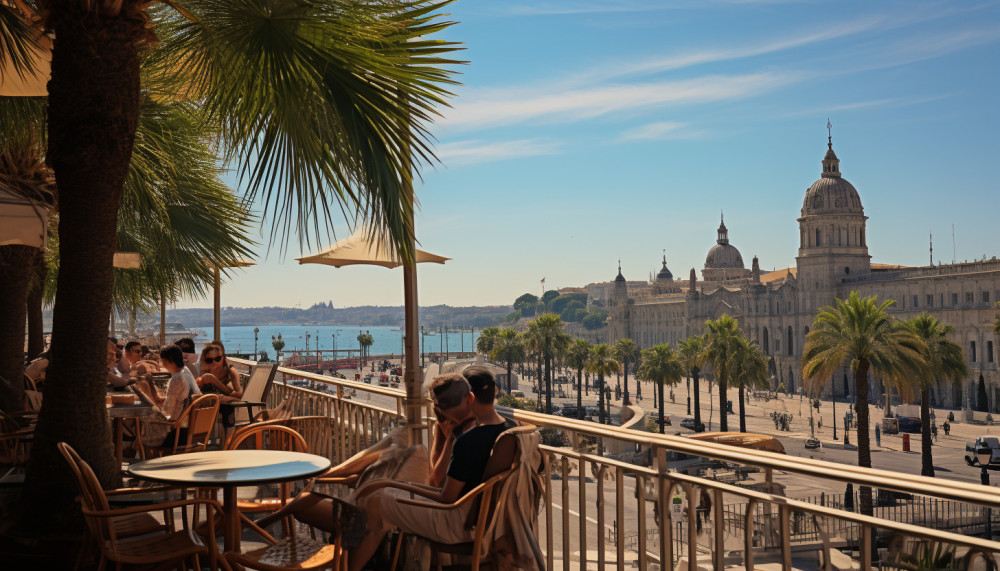
Think you can eat whenever you want? In many places, local food habits remain stubbornly non-negotiable, and they can upend the most carefully curated plan, because meal times dictate when neighbourhoods wake up, when shops close and when streets truly fill. Spain is the classic illustration for northern Europeans and North Americans: lunch can run later, dinner later still, and what looks like a “quiet” city at 18:30 may simply be between acts. That matters because travellers often misread emptiness as lack of atmosphere, then rush to the next attraction, and end up missing the very social life they came to experience.
These customs also have economic weight, and not just cultural charm. Dining is a primary travel expense, and inflation has made it more visible: in the euro area, consumer prices surged through 2022 and 2023, then cooled but remained elevated in many categories, with food inflation having been particularly acute. When prices rise, travellers become more strategic, and local routines can help them spend smarter, because set lunch menus, market shopping and region-specific meal deals often provide better value than all-day tourist dining. In cities where the traditional lunch is the main meal, a traveller who follows local timing may get higher quality for less, and can reserve the more expensive dinner slot for a specific address rather than for convenience.
Equally, food tradition is increasingly tied to overtourism debates, because crowded restaurant districts can displace local life, while neighbourhood markets and smaller bars can absorb visitors more gently. Choosing where and when to eat becomes a form of itinerary ethics: it can spread spending across districts, reduce pressure on the most saturated streets and encourage encounters that feel less staged. If you are building a plan for Valencia or any Mediterranean city, practical tools matter, and a detailed local guide can translate those rhythms into something workable; one starting point for planning routes, timings and neighbourhood choices is https://www.valencia-trip.com, which can help align meals, visits and transport with how the city actually functions.
Craft, faith and memory change what you visit
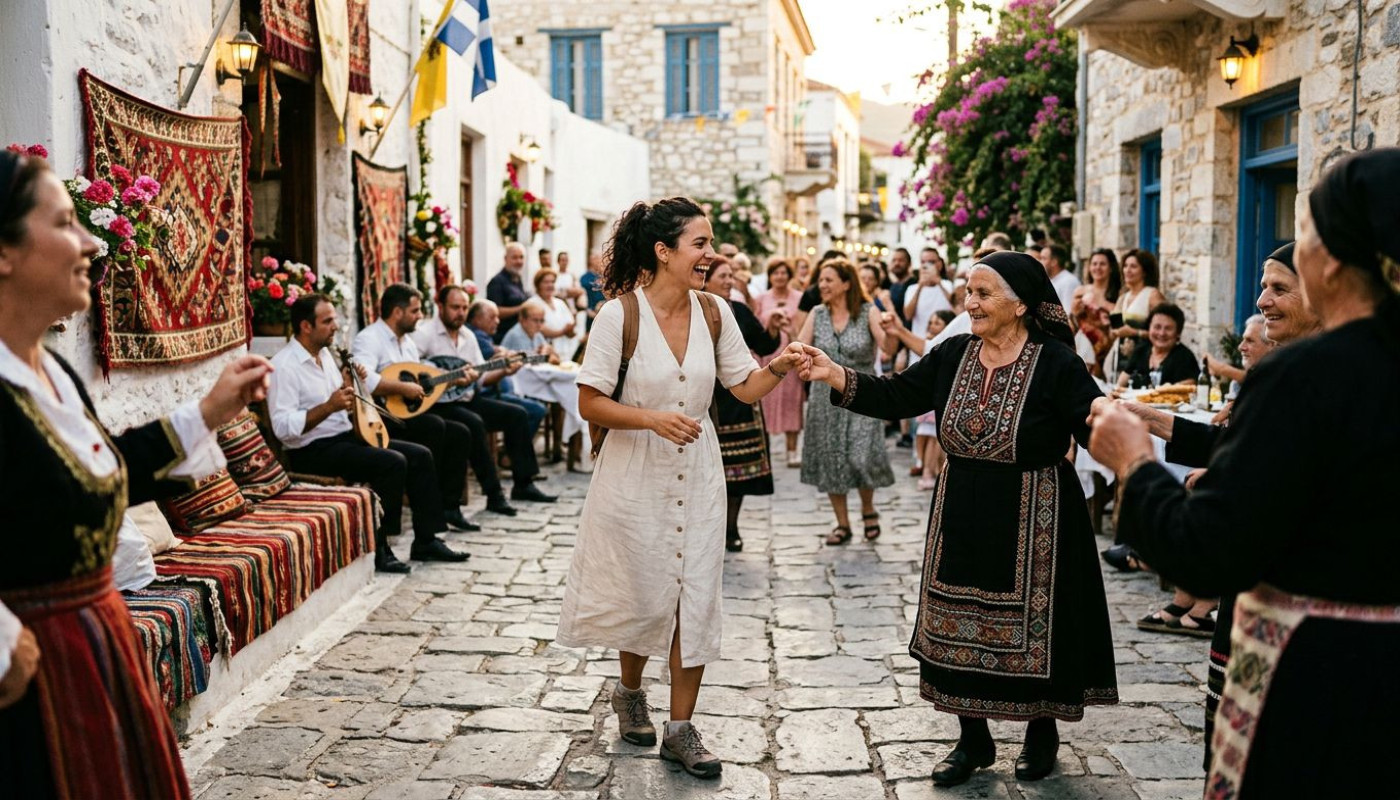
What if the “must-see” list is simply incomplete? Local tradition often redirects attention away from landmark tick-boxing and toward places that carry social meaning, from workshop districts and pilgrim routes to memorial sites and community spaces that never trend on short-form video. This is not nostalgia, it is a recognition that the story of a destination is usually told through living practices, and those practices are anchored to specific locations that may sit outside the historic centre. In Japan, a matsuri is tied to a shrine and its surrounding streets; in Mexico, Día de los Muertos rituals draw you toward cemeteries and family altars; in parts of Europe, Easter processions change how entire city cores are navigated, and what appears to be “accessibility” on a map becomes a moving, time-bound reality on the ground.
The data points to why this matters now: UNESCO’s Intangible Cultural Heritage list has grown steadily since its creation, reflecting a broader institutional push to protect practices rather than only buildings, and many destinations market these traditions as part of a sustainable tourism pitch. Yet the more these experiences are promoted, the more fragile they can become, because they rely on participation that is not primarily designed for outsiders. That tension affects itinerary choices. Do you attend a ceremony as a respectful observer, or does your presence turn it into performance? Do you seek out a craft workshop because it supports a local economy, or does it strain a small-scale practice by encouraging mass demand for “authentic” souvenirs?
Handled well, tradition can improve a trip’s intellectual honesty. Instead of racing between isolated sights, you follow a thread, and the city becomes legible: a ceramics quarter explains a region’s trade history, a religious festival reveals the social geography of neighbourhoods, a commemorative event exposes the political memory of a place. It is also where travellers can build an itinerary that feels distinct, because two people visiting the same city in the same month can experience entirely different journeys depending on whether they move with local calendars, attend community events and accept that “heritage” is sometimes a living, noisy, inconvenient thing.
Respectful planning avoids the tourist trap
How do you join in without getting in the way? The first step is recognising that local tradition is not an attraction designed for you, and that changes how you plan logistics. Arrive earlier than you think you need to, because transport can slow when streets close, and book accommodation with cancellation flexibility if your dates coincide with major events, since prices can spike and inventory can vanish. The second step is to treat public space as shared space: keep a wider margin for crowds, accept that photos may not be appropriate everywhere and follow signage, steward instructions and local norms, especially in religious settings and commemorations.
There is also a simple rule that protects both your experience and the destination: spread out. Overtourism has become a policy issue in many European cities, and local authorities have experimented with caps, taxes and crowd-management measures, while residents push back against neighbourhood saturation. Your itinerary can either amplify the problem or soften it. Choosing off-peak entry times, visiting secondary districts, eating away from the most obvious streets and using public transport rather than car-hailing in congested zones are small decisions that add up, and they often produce a richer day because you spend less time in queues and more time in places where daily life is still visible.
Finally, tradition rewards preparation that is not purely logistical. A short read on the meaning of a festival, a quick check of local holiday closures and a basic grasp of etiquette can prevent missteps, and it can turn a spectacle into understanding. The point is not to over-intellectualise a holiday, it is to travel with the humility that you are entering a community’s rhythm. When you build your itinerary around that rhythm, the trip stops feeling like a sequence of transactions, and starts feeling like time spent inside a place, with its own calendar, appetite and memory.
Before you book, budget for the calendar
Reserve early if your dates touch major festivals, and keep a buffer for transport disruptions and higher hotel rates. Set a daily food budget that matches local meal times, because lunch menus often deliver the best value. Check for city passes, regional transport deals and local or national museum discounts, and look up any visitor taxes or event surcharges before confirming accommodation.
Similar